Black Homeschoolers
Black homeschooling support…
The Growing Black Homeschool Movement
Anecdotal evidence seems to indicate that homeschooling is growing in the black community. Mike Smith of the Home School Legal Defense Association discusses this with Joyce Burges, co-founder of the National Black Home Educators Resource Association.
4 My Kids Records
4 My Kids Records is committed to producing quality educational and entertainment products that will ignite a child’s excitement to learn. Every catchy song, dance-floor groove, memorable story, colorful illustration and fun-filled animation is created with a timeless heart.
Homeschooling as a Mother's Right
Margaret is a homeschool veteran who explains why traditional schooling was never an option for her children. Margaret’s narrative documents the complexity of being a single Black mother and choosing to live in a low-income housing community, and not working full-time in order to fulfill her rights as a mother to do what she determined would be best for her children. Her account also demonstrates the role of faith, spirituality, and the complexity of building a curriculum to meet her children’s needs.
National Black Home Educators Resource Association (NBHERA)
The National Black Home Educators Resource Association (NBHERA) is a resource network founded by Eric and Joyce Burges in July 2000. This association encourages, supports, and offers fellowship to families who are exploring benefits of home education. NBHERA was created to serve the African American community by providing assistance with information about getting started homeschool, networking/connecting veteran families with new families, recommending resources such as books, music, films, speaking information, curriculum, etc. NBHERA’s mission endeavors to empower parents to educate their children for excellence.
Ebony Homeschoolers
Located in Memphis, Tennessee, Ebony Homeschoolers is a Christian homeschool support fellowship established to strengthen and encourage the African-American homeschooling family.
New Movement: African-American Homeschooling
While families have been homeschooling for nearly thirty years in the United States, it is only recently that African-American families have seen the proven potential of educating their children at home. In a time of perpetual academic underachievement, the ever-stagnant achievement gap and unfettered, unequal access to quality schools and resources, African-American families are taking a dramatic approach to the educational future of their children by adopting a collective and renewed stance on family-led learning.
Large family finds a way to homeschool
This youtube video gives a look into a large successful homeschooling family. This African-American family of seven children has had all children go to college, starting while still in high school.
Tips for Cultural Studies in Homeschooling
Here are some tips on how to incorporate cultural studies into your homeschool. This can be used if you are trying to include or highlight your own heritage/ background or if you want to study another culture that is not your own. One of the blessings of home education is that you have the opportunity to study various different world cultures without limitations. You can go beyond the one or two holidays or cultural activities that they may or may not do in the public school system. You can incorporate your culture into every aspect of your curriculum or just highlight some of the major bullet points of your culture. Either way I think these tips give a great starting point to enriching your curriculum program.
Home School Mom Creates Multicultural Educational Products That Celebrate Differences
Mothers are bears when it comes down to protecting their children. Read about how this home school mom fought racism in her way and created highly acclaimed multicultural educational tools in the process.
The Liberated Minds Black Homeschool and Education Association
Their purpose is to be a trustworthy, conscientious, and dependable resource in the "true" education of youth and families. By providing consistent support, guidance, and current relevant information, they are committed to assist in all academic subjects and critical life areas that cultivate children to be young dedicated scholars, critical thinkers, builders, and problem solvers; addressing the specific needs of Black/Afrikan people.
The House the Burgeses Built: One Family’s Neighborhood-Wide Approach to Home Education
In July 2000, Louisiana residents Joyce and Eric Burges created the National Black Home Educators Resource Association, a nonprofit organization that provides advice on curriculum materials, pairs new families with veteran home educators, and produces an annual symposium. The Burgeses’ goal is to encourage other African-American families to become more involved in their children’s education. This article tells their personal story and how they have impacted the community in which they live.
Families of Color Utilizing Home Schooling (FOCUHS)
This list is for Christian families of color who've opted to home educate their children. They exist to offer support, fellowship and to share resources with other African American and bi-racial Christian homeschooling families.
Afrocentric Homeschoolers Association
Afrocentric Homeschoolers Association is a nonprofit resource for homeschooling families (and individual teens) everywhere in the world which are engaging in Afrocentric, Africentric, Black-oriented, Black-positive, African, African American or pro-Black education.
National African-American Homeschoolers Alliance (NAAHA)
The National African-American Homeschoolers Alliance was born out of a desire to unite African-American homeschoolers nationally. Launched in January 2003, NAAHA is the only nonsectarian organization for African-American home schooling families. The primary objective of NAAHA is to disseminate home schooling information relevant to African-American homeschoolers or to anyone home schooling African-American children. NAAHA's fundamental mission is to consistently provide the latest and the best home school information and resources for members and online guests to enjoy--from home schooling books and curricula to new African-American support groups and organizations. In addition to being an information clearinghouse, NAAHA also provides free educational advisory help from educational professionals and from those with a degreed knowledge of a particular subject.
Homeschooling Grows in the Black Community
The best research on homeschooling indicates the total number of children who are homeschooled is 1.5 to 2 million, and that number is growing by 10 to 15 percent per year. But not everyone recognizes the academic and social success of homeschoolers and some criticize the movement as being white and elitist. While it's true that the large majority of homeschool children are white, the number of black homeschoolers is growing rapidly. Brian Ray, president of the National Home Education Research Institute, estimates that there are 30,000 to 50,000 black children being homeschooled today. Others estimate that black homeschoolers make up 5 percent of the total homeschool population. Most importantly black homeschool movement is growing at a faster rate than the general homeschool population.
Black Alliance for Educational Options (BAEO)
Black Alliance for Educational Options (BAEO) exists to educate and inform the general public about parental choice initiatives on the local and national level; educate Black families about the numerous educational options available; create, promote and support efforts to empower Black parents to exercise choice in determining how their children are educated; and educate and inform the general public about efforts to reduce or limit educational options available to parents.
Unschooling from an African-American Perspective
A look at unschooling as a philosophy of life from an African-American perspective.
Black Homeschoolers' Network
Black Homeschoolers' Network is intended to facilitate a network among African American homeschoolers across the country. Here you will also find a message board for general communication as well as an email pal listing for homeschooled kids.
The Rise of Home Schooling Among African-Americans
Significant growth in black families’ participation in home schooling is beginning to show up on the radar screens of researchers. The National Center for Education Statistics computed African-Americans as 9.9 percent of the 850,000 children the federal agency figured were being home-schooled nationally in 1999. Veteran home-schooling researcher Brian Ray figures blacks are currently about 5 percent of the 1.6 million to 2 million home-schooled children but he agrees that black home schooling is growing rapidly.
African Centered Resources
Great youtube video discussing various African-centered resources for homeschoolers.
The Choice To Homeschool: A Quick Primer For Black Families
When black families look to homeschool there are a lot of questions to take into consideration. Here is a quick primer to get you started.
Resources
-
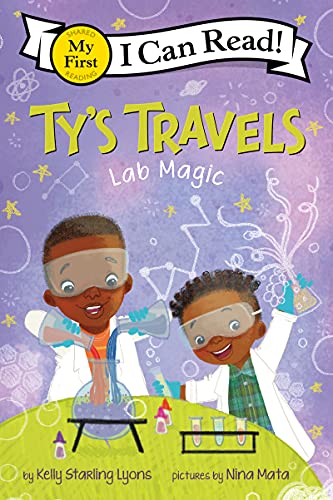
 Ty's Travels: Lab Magic (My First I Can Read)
 -
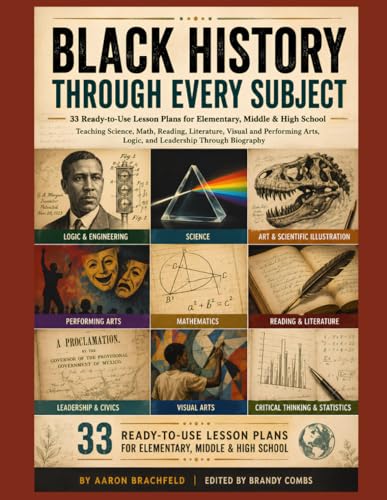
 Black History Through Every Subject: 33 Ready-to-Use Lesson Plans for Elementary...
 -
 Black Heroes: A Black History Book for Kids: 51 Inspiring People from Ancient Af...
 -
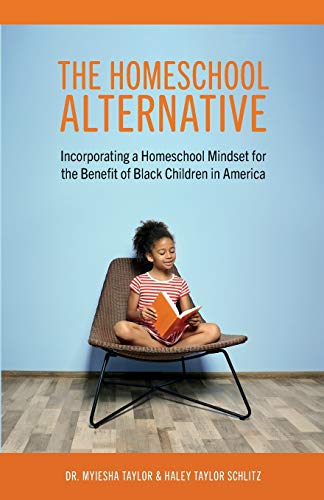
 The Homeschool Alternative: Incorporating a Homeschool Mindset for the Benefit o...
 -
 Oxford Composition Notebooks, 9-3/4 x 7-1/2 Inch School Journals, Wide Ruled Pap...
 -
 There Was a Black Hole that Swallowed the Universe: A Funny Rhyming Space Book f...
 -
Black Kid, White School: What They Don’t Teach Your Black Child: Volume 1
-
Mighty Kids Education Black History Workbook (Ages 5-7)



Featured Resources
-
Homeschooling Black Children in the U.S.: Theory, Practice, and Popular Culture ...
-
 Soul School: Taking Kids on a Joy-Filled Journey Through the Heart of Black Amer...
 -
The Homeschool Alternative: Incorporating a Homeschool Mindset for the Benefit o...
-
Homeschooling While Black: Our Family?s Journey of Consciously & Purposefull...
-
A Journey Through Black History: 95 Fun and Educational Activities Based on Infl...
-
Ty's Travels: Lab Magic (My First I Can Read)


